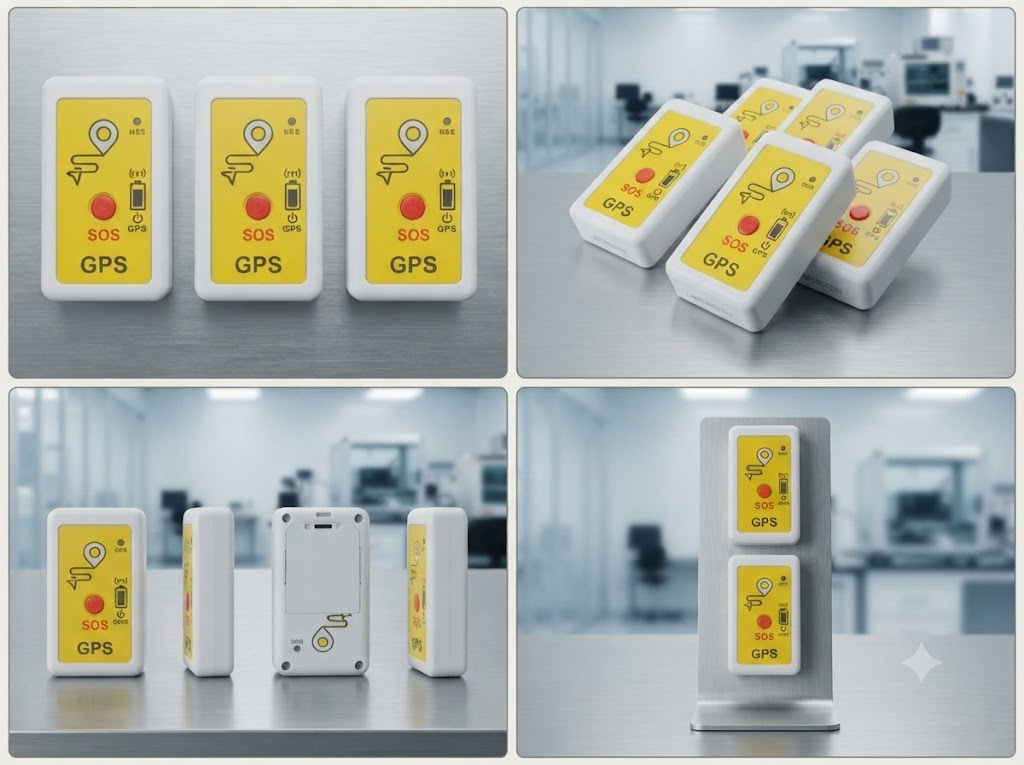
An industrial worker tracking system helps organisations monitor employee locations, improve workforce visibility and support worker safety across factories, construction projects, mining operations and remote industrial sites.
Nex-G Automation's GPS-based worker monitoring approach combines location tracking with configurable safety features such as emergency SOS alerts, geofencing and centralised monitoring. It helps supervisors gain better visibility of distributed teams and respond more effectively when assistance is required.
The system can be considered for industrial employee tracking, remote workforce monitoring and worker emergency communication, subject to the selected device configuration and deployment requirements.
Managing employees across large industrial facilities and geographically distributed worksites can be challenging. Supervisors may need to coordinate workers operating in different buildings, production areas, construction zones, mines and remote locations.
An industrial worker tracking device can provide location information to an authorised monitoring platform. Depending on the device and system configuration, this information can help organisations understand workforce movement, monitor designated work areas and improve coordination between field employees and supervisors.
GPS worker tracking can also be combined with emergency alert functionality to support a broader industrial worker safety monitoring system.
A configurable worker monitoring solution can combine location visibility, emergency communication and site-monitoring functions to support industrial workforce management.
Monitor the location of equipped employees through GPS-based tracking, subject to device availability, satellite visibility and network connectivity.
View available employee location updates through a central monitoring interface to support workforce coordination and field operations.
A dedicated emergency alert function can allow a worker to initiate an SOS notification when assistance is required.
Configure virtual site boundaries and generate notifications for defined entry or exit events, where supported by the selected configuration.
Compatible wearable configurations may support fall-related or abnormal-motion alerts to help identify situations that need attention.
Improve visibility of employees working at remote facilities, isolated locations and distributed industrial project sites.
The overall deployment connects worker-side tracking devices with communication networks and an authorised monitoring platform.
The employee carries or wears a compatible GPS tracking device.
The device obtains location information using supported positioning technologies.
Available data is transmitted through the configured communication network.
Authorised supervisors view available tracking information and configured alerts.
Location monitoring becomes more useful when it is supported by an emergency communication process. A worker SOS device can provide an accessible way for employees to request assistance during an emergency.
Depending on the selected device configuration, emergency notifications may be integrated with a central dashboard or other configured alert channels. This can help supervisors identify the employee requiring assistance and review available location information.
For applications that require a dedicated personal safety solution with SOS and fall detection, explore our Lone Worker Safety Tracker .
Industrial employee tracking systems can be considered for workplaces where employees operate across large, distributed or restricted work areas.
Monitor equipped employees working across production units, warehouses, utility areas and large manufacturing facilities.
Support workforce visibility across construction projects, infrastructure developments and geographically spread work zones.
Consider GPS-based worker monitoring for mining personnel and field teams, subject to underground positioning and network limitations.
Improve visibility of employees deployed at isolated facilities, remote installations and project locations.
Support field workforce coordination for maintenance, inspection and infrastructure service teams.
Help authorised teams monitor available employee location information across designated industrial areas.
The following table outlines technology and integration areas that can be considered during system selection. Actual specifications depend on the selected device model and deployment configuration.
| System Category | Industrial Worker Tracking and Monitoring System |
|---|---|
| Positioning | GPS / supported satellite positioning technologies |
| Communication | Cellular communication, subject to device configuration |
| Worker Safety | Configurable SOS and emergency alert functionality |
| Location Monitoring | Employee location updates through a monitoring platform |
| Geofencing | Configurable virtual boundaries, where supported |
| Alert Channels | Dashboard and configured notification channels |
| Integration | Platform integration options based on project requirements |
| Applications | Factories, construction, mining, utilities and remote industrial sites |
Note: GPS availability, cellular coverage, indoor positioning, underground tracking and alert delivery depend on the deployment environment, hardware and network conditions. Confirm the required specifications before finalising the system configuration.
Selecting a suitable worker tracking solution requires consideration of the work environment, connectivity, employee workflows and emergency response requirements.
Identify the number of employees, work shifts, operating areas and monitoring requirements for each team.
Evaluate cellular coverage, GPS visibility, indoor work areas and underground locations before selecting the tracking technology.
Define how SOS alerts should reach supervisors, who is responsible for responding and how emergency events will be managed.
Determine the dashboard, reporting, user access and integration requirements for the organisation.
Consider wearable form factor, battery life, charging arrangements and environmental protection requirements.
Review the need to connect tracking information with existing safety, operational or management platforms.
Industrial worker tracking and lone worker protection are related but serve different operational purposes. An industrial worker tracking system primarily focuses on workforce location visibility, employee movement monitoring and coordination across work areas.
A lone worker protection system places greater emphasis on the safety of an individual working without direct supervision. Depending on its configuration, it may include emergency SOS activation, fall detection, inactivity monitoring and alert escalation.
Organisations may use these approaches together. For dedicated personal safety requirements, visit our Lone Worker Safety Tracker product page.
Common questions about industrial worker tracking, GPS employee monitoring and worker safety systems.
Discuss your requirements for GPS worker tracking, industrial employee monitoring, remote site visibility and emergency alert integration with Nex-G Automation.